
AI Will Never Be Able To Do This
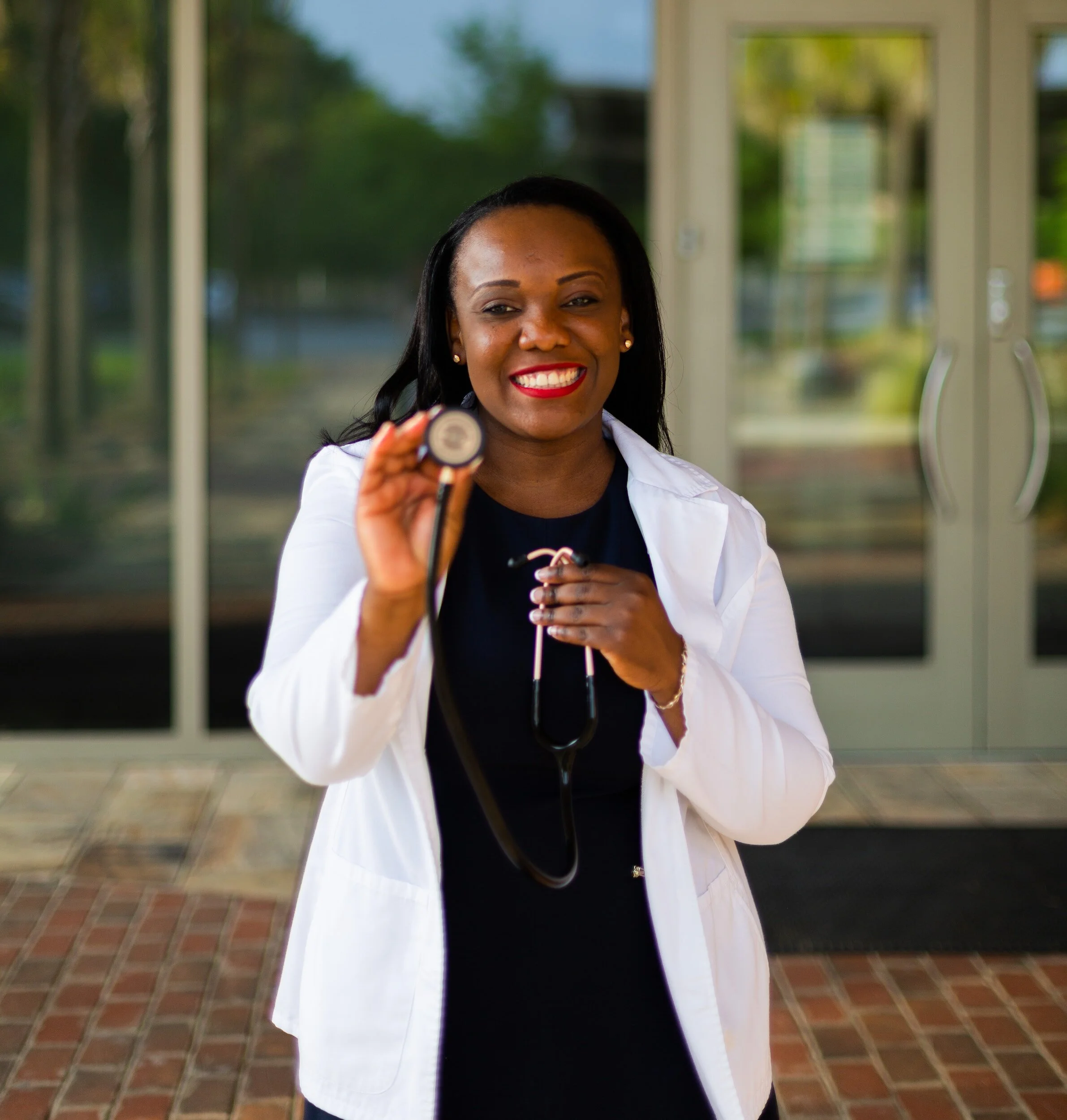
My husband and I have a loving debate every once in awhile. He thinks that AI will transform healthcare, eliminating the need for many healthcare practitioners, as symptoms get plugged into algorithms to diagnose and treat. As someone who has worked on the communication side of medical education since 2006, I believe differently. I know that there needs to be a human on the other side of that stethoscope. Yet I didn’t know exactly why until I visited a doctor this past weekend.
I was having headaches, and this one had lasted 3 days nonstop. It wasn’t pleasant. I showed up to the doctor’s office, checked in on the computer without talking to another human (point for my husband,) and waited to be called.
My first human interaction was with someone from the front desk; we’ll call her Marie. She called me up so that we could have a conversation about my symptoms, payment, and insurance.
As Marie asked me about my symptoms, I started to put the puzzle pieces together about the debate my husband and I have. I know AI tools have been used to diagnose cancers, heart diseases, and brain diseases. But, unlike my husband, I believe that the art of medicine goes beyond the purpose of ‘diagnose and treat.’ I know empathy is at the core of the healthcare experience, or at least it should be.
Marie could have offered me empathy about the pain, how long this particular headache had lasted, or even been curious and asked about my deepest fears. Instead, the conversation was a bit more like a checklist she was working from.
Now let me stop here and say that I have very high expectations for medical professionals when it comes to empathy. As a trainer, facilitator, and actor for med students all the way up to department chiefs, I have created and led workshops on empathy and other communication skills for healthcare professionals for almost a decade. The bar is high every time I am “undercover” with an actual headache and the actual fear of a brain tumor, as opposed to pretending to be a patient with those symptoms and fears. My empathy radar is on high alert. So maybe other people would not have flagged as many missed opportunities for empathy as I did. There were several.
Marie: “So what brings you here today?”
Me: ”I’ve been having headaches.”
Marie: ”And where is the headache?”
Me: ”Here.”
Marie: ”Have you tried anything?”
And so on. Empathy misses. As the conversation ensued with Marie, I became disheartened. I started to doubt my position in this debate with my husband. I had been arguing that humans were needed in healthcare for many reasons; and one of the primary ones involved their ability to provide empathy. Here was Marie - a human being - who was missing opportunities to provide me empathy, left and right. A robot, I started to think, could be programmed to offer more empathy than she was! For instance, when I talked about my pain, a robot could have offered an empathetic response. Or it could even be programmed to watch for shifts in nonverbal communication - such as tone, pace, or body language - and inquire further or offer empathy. (A bot could have even said, “Ouch - no fun” when I talked about the duration of my headache. Empathy can take as little as two seconds, after all.)
After ample discussion of my headache, and no empathy in sight, we moved onto the discussion of payment. Marie explained that they needed a payment option on file, and if the visit warranted payment over a nominal amount, I would be notified first.
Me: “How would I be notified? Text? Email?
Marie: “Through a text message.”
Me: “Oh good. Because my email inbox is like a black hole, and I’m afraid I would miss your email.”
Marie: “I know what you mean! It’s amazing how fast email gets overwhelming.”
BAM. Empathy. Not about pain or duration or just the annoyance of having to wait to see a provider, but about email inboxes.
Empathy is more than words; it’s the connection to our shared humanity. Empathy is not about saying X when someone says Y, something a robot could easily do. Rather, empathy is about recognizing someone else’s human experience, and connecting to it. When Brene Brown describes cognitive empathy in “Atlas of the Heart,” she says, “If someone is feeling lonely, empathy doesn’t require us to feel lonely too, only to reach back into our own experience with loneliness so we can understand and connect.” Since robots will never be human, and will never have their own experience of emotions, they will never be able to offer real empathy. No robot and I will ever be kicking back, connecting over the email-inbox-becomes-a-black-hole phenomenon. Ever.
In this ongoing debate, does my husband bring up some good points? Of course. There are ways that AI will change many industries - including healthcare - that we cannot even imagine. And yet heathcare cannot exist properly without healthcare providers who offer empathy. And that requires those healthcare providers to be human.